

Greece tours open the door to bright islands, ancient stone temples and long lunches by the sea. Couples, families, friends traveling together and solo visitors all find a way in that fits them. A good tour turns a complicated map into a relaxing day, with the hard parts planned and the fun parts left open.
This guide walks through the main regions in turn. It covers what to see and the kinds of Greece tours people choose. It also explains what comes with them, from guides and tickets to meals and swim stops. For more ideas, the travel pages at My Greece Tours add useful local detail.
How Can You Get More From Greece Tours In The Cyclades?
Travelers get more from Greece tours in the Cyclades by mixing a boat day, a village walk and a slow meal. Booking early helps on the busiest islands. Planning sites for Greece tours and Tours In Greece make it easy to compare island days side by side.
What are the highlights of the Cyclades?
Santorini is the favorite for many visitors. Its white villages cling to the edge of a huge cliff above a flooded volcano crater. At sunset, crowds gather in Oia to watch the sky turn gold and pink. Nearby Mykonos is famous for its row of white windmills, which once ground grain for the island.
A short boat ride from Mykonos lies Delos, an island sanctuary, or holy place. Ancient Greeks believed the god Apollo was born there. Today visitors walk past marble lions, temple stones and floors made of tiny mosaic tiles. It feels like an open-air museum with the sea all around.
Milos draws swimmers with its sea caves and pale rock bays, best seen from the water. On Naxos, the old town climbs a hill to a castle, with narrow lanes full of small shops. Paros adds the harbour of Naoussa, where fishing boats rest beside cafés and seafood tavernas. Its whitewashed lanes glow at dusk.
What Greece tours can you join in the Cyclades?
Private Greece tours with a driver-guide or a skipper suit couples and families who want their own pace. A single fee covers the whole car or boat, so friends traveling together can share the cost. Boat cruises with swim stops suit almost everyone, from beach lovers to first-time sailors.
Full-day trips from Athens by coach suit visitors based in the capital who want an island taste without moving hotels. Snorkel and beginner scuba trips suit curious swimmers, including older children and adults who have never dived before. Calm, clear bays make the first breath underwater feel safe.
Cooking classes and wine tastings suit food lovers and couples looking for a slower afternoon. Guests learn traditional island dishes, then share them at a long table. Santorini’s volcanic soil gives its wines a crisp, mineral taste.
What support do Greece tours in the Cyclades give travelers?
Many Greece tours in the Cyclades include lunch or a BBQ meal, often grilled right on deck. Drinks come with most boat days, and some trips pour them without limit. That means less equipment to carry and fewer stops to hunt for food, which saves money and time.
A licensed or local guide explains the myths, the volcano and the island customs in plain words. Experienced skippers know which bays stay calm when the wind picks up. Snorkel gear is usually on board, so swimmers can explore rocks and small fish without packing their own.
Swim stops break up the day and keep everyone cool. Free time to explore lets travelers wander a village, shop or rest in a café. Wine tastings on Santorini round off many trips with local whites and a view over the sea-filled crater.
What tips help travelers in the Cyclades?
Morning departures beat the midday heat and the busiest crowds on Santorini and Mykonos. Pack a hat, reef-safe sunscreen, a light layer for the boat breeze and shoes that grip wet rock. Sea days can feel rough, so travelers who get seasick should eat lightly and sit near the middle of the boat.
Ferries fill up in high summer, so booking island hops early saves stress. Spring and early autumn bring warm water, softer light and calmer lanes. Anyone new to the islands can read this guide to Greek islands for first-timers before choosing a base. Cash also helps in small village shops.
How Do Visitors Enjoy Greece Tours In The Classical Sites?
Visitors enjoy Greece tours in the classical sites most when a good guide brings the ruins to life. Early starts and comfortable shoes make the long days easy. These places shaped the stories, plays and sports that the whole world still knows. Each one rewards a slow, curious visit.
What are the highlights of the classical sites?
Delphi sits high on a mountain slope above a valley of olive trees. People came to its sanctuary, or holy place, to visit the oracle. She was a priestess who passed on advice from the god Apollo. Further north, the monasteries of Meteora perch on top of giant rock towers.
In the Peloponnese, the citadel of Mycenae was a fortified hilltop town of warrior kings, and its Lion Gate still guards the entrance. Nearby Epidaurus has a stone theatre where a whisper on stage reaches the top seats. The harbour town of Nafplio adds pastel houses, a seaside path and a castle above the bay.
Ancient Olympia is the birthplace of the Olympic Games, held in honor of the god Zeus. Visitors can stand in the old stadium and run along the same track. Many tours also pause at the Corinth Canal, a narrow cut through rock with steep walls and deep blue water. Pine trees shade the ruins.
What Greece tours can you join in the classical sites?
Full-day trips from Athens by coach are the easy choice for first-time visitors. Delphi, Mycenae and Epidaurus all work as long day trips, with a guide on board and a set route. Shared guided Greece tours with only a handful of guests suit couples and solo travelers who enjoy asking questions.
Multi-day tours with hotel nights link Delphi, Meteora and Olympia in one smooth loop. They suit families and friends who would rather not drive or plan each stop. Guided walking tours inside each site help visitors find the key spots quickly and hear the stories behind them.
Entry tickets alone suit independent travelers who want to explore at their own pace. They can arrive early, read the signs and linger where they like, which suits return visitors and history fans. Early arrival also means cooler air and emptier paths.
What support do Greece tours in the classical sites give travelers?
A licensed or local guide is the biggest gift on Greece tours to the classical sites. Without a story, ruins can look like scattered stones. A good guide explains who lived there, what the temples were for and why the myths mattered to ordinary people.
Entry tickets included in the tour save time at busy gates, especially in summer. Travelers walk straight in while others wait in line under the sun. That leaves more energy for the climb up to the theatre or the stadium, and more time for photos.
On multi-day trips, hotel nights are booked in advance, often in small towns close to the ruins. Guests wake up near the sites and beat the crowds to the gates. Families also skip the stress of finding a room each evening in an unfamiliar town.
What tips help travelers in the classical sites?
Start early, because the sites get hot by midday and there is little shade among the ruins. Wear sturdy shoes with reliable grip, since paths are uneven and old marble gets slippery. Bring water, a hat and sunscreen, and refill bottles whenever possible. Toilets and cafés are scarce inside the sites, so plan breaks.
Spring brings wildflowers around Delphi and Mycenae, while autumn brings softer heat. Meteora’s monasteries ask visitors to cover their shoulders and knees, so a light scarf or long skirt helps. Reading a little about the myths beforehand makes every stone feel more alive. A snack in the bag also helps on long road days.
How Should You Plan Greece Tours In Athens?
Travelers should plan Greece tours in Athens around an early Acropolis visit. The afternoon suits museums, markets and a sunset trip to the coast. The city is lively and noisy, yet its old heart is easy to explore on foot. Good planning turns a hectic capital into a rewarding stay.
What are the highlights of Athens?
The Acropolis is a rocky hill crowned with temples, and its name means the high city. The Parthenon, built for the goddess Athena, rises at the top in pale marble. Beside it stands the Erechtheion, with its porch held up by statues of young women instead of columns. The hill glows golden in late light.
Below the hill, the Acropolis Museum shows the original statues and friezes, which are carved stone bands that tell stories in pictures. The Ancient Agora was the old market square, where people traded, argued and voted. Close by, the Temple of Olympian Zeus keeps a few giant columns standing.
Plaka and Monastiraki fill the streets below with old houses, flea market stalls and busy tavernas. For the best view, visitors ride or walk up Lycabettus Hill and watch the city glow at dusk. Outside the city, the Temple of Poseidon, god of the sea, stands on a cliff at Cape Sounion.
What Greece tours can you join in Athens?
Guided walking Greece tours are the classic way to see Athens. They suit first-time visitors, solo travelers and anyone who enjoys stories told on the spot. Most begin near the Acropolis and wind through Plaka, so there is no need for transport. Evening walks feel cooler and more relaxed.
Private tours with a driver-guide suit families with young children and older relatives. A single fee covers the whole car, which keeps costs fair for friends who split it. The same idea works at sea, where a skipper takes a private boat along the coast.
Boat cruises with swim stops along the coast near the city suit couples and beach lovers. Cooking classes and wine tastings suit food fans who want to bring a taste of Greece home. Both make a gentle break between busy sightseeing days.
What support do Greece tours in Athens give travelers?
A licensed or local guide makes Greece tours in Athens far richer. Guides know the quiet corners of the Acropolis and the ideal order for each stop. They also turn hard history terms into plain, friendly language that children enjoy too.
On boat days, lunch or a BBQ meal usually comes with the trip, along with drinks. Some cruises keep drinks flowing without limit, which suits relaxed couples and friends. Swim stops in clear coves give everyone a cool break from the city heat and the crowds.
Wine tastings add a calm, social end to the day. Guests try local grapes and learn which flavors match Greek food. These extras matter because they turn a busy sightseeing schedule into a real holiday, not a race. A shaded table and a cold glass feel welcome after a hot morning.
What tips help travelers in Athens?
Book Acropolis entry for the earliest slot of the morning, before the heat and the cruise crowds arrive. The marble on the hill is smooth and slippery, so flat shoes with grip are best. Carry water, because shade is rare up there. Museums make a cool escape at midday, and most have cafés.
Athens is easy to explore on foot and by metro, so most travelers skip the car. A light jacket helps on evenings at Cape Sounion, where the wind can pick up. Pickpockets work busy squares, so a zipped bag is smart. For more savings, read these budget travel tips for Athens before arriving.
Which Greece Tours In Crete, Rhodes And Corfu Suit Every Traveler?
Greece tours in Crete, Rhodes and Corfu suit every traveler because they mix beaches, castles and ancient palaces. Each island offers relaxed boat days and rich history walks. Each one has its own flavor, and these larger islands have more space, so days feel calmer even in busy months.
What are the highlights of Crete, Rhodes and Corfu?
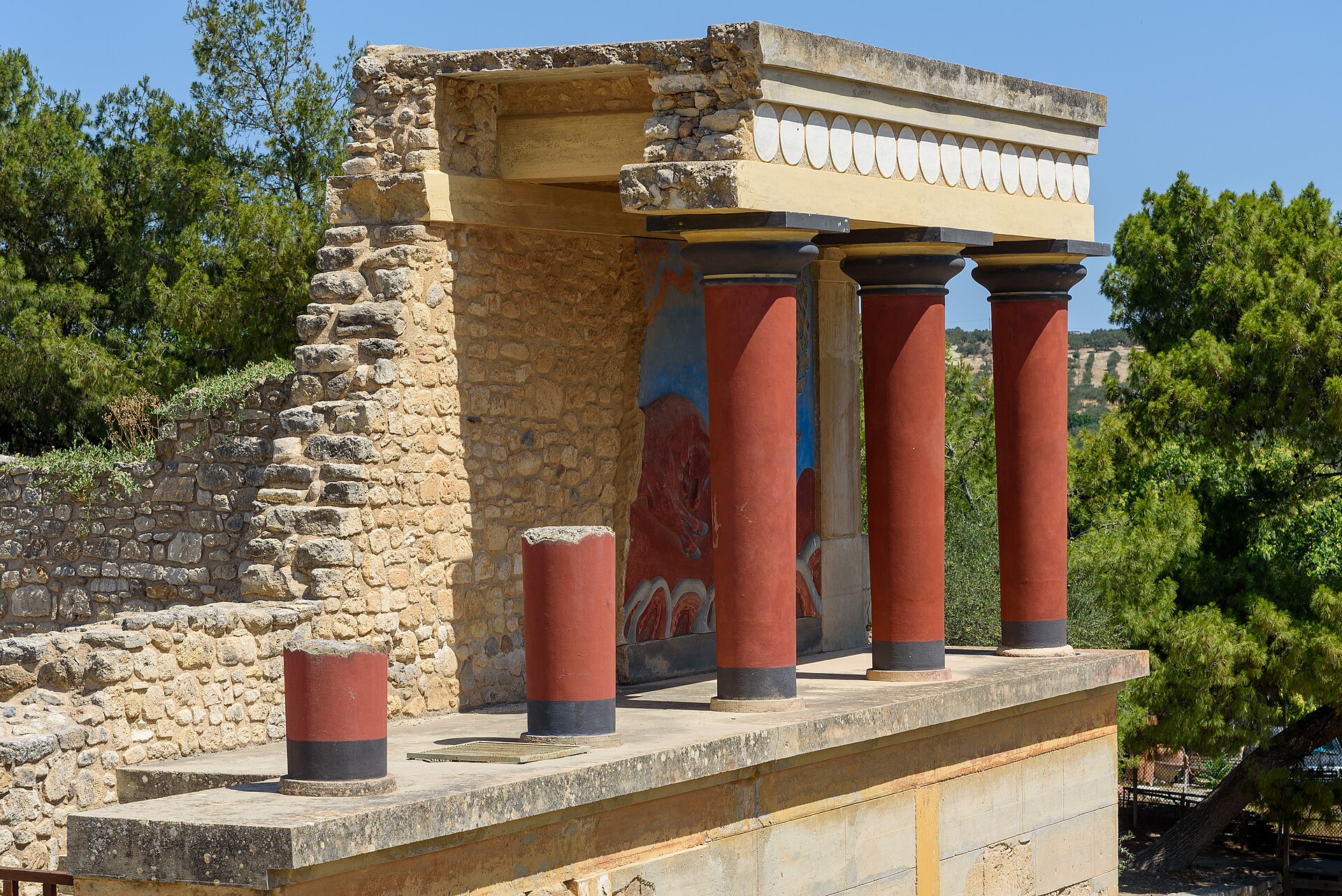
On Crete, the palace of Knossos sits just outside Heraklion. It was the center of the Minoans, an ancient people who built a rich sea trading world. Legend says the maze of the Minotaur, a half-bull monster, lay beneath it. In Heraklion, the museum shows their bright wall paintings and pottery.
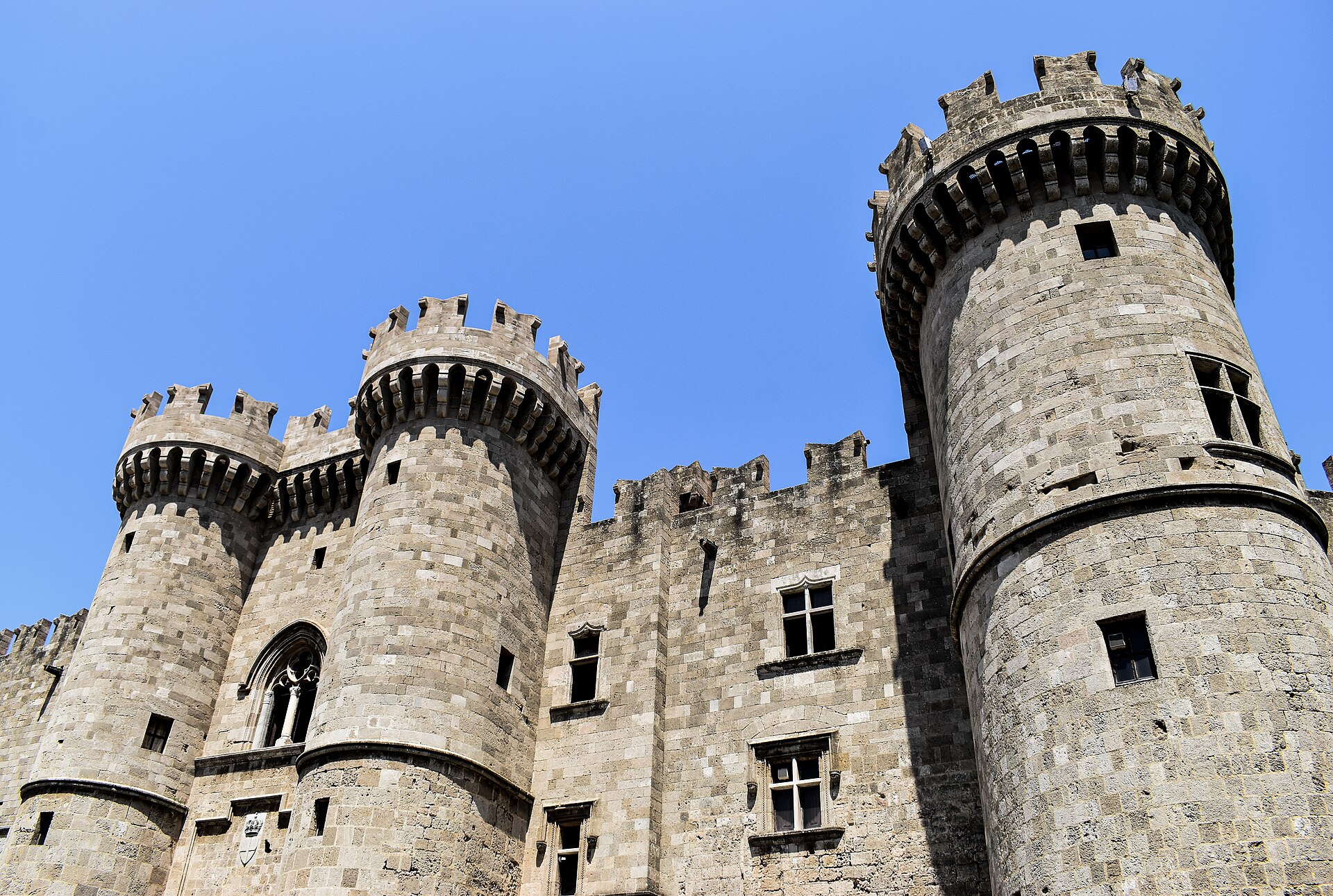
Chania has a Venetian port, built when traders from Venice ruled the island. Its lighthouse, waterside cafés and pastel houses make lovely evening walks. To the west, Balos lagoon shines in shades of turquoise over white sand. On Rhodes, the Street of the Knights is a stone lane where knights lived long ago.
High above the sea, the acropolis of Lindos crowns a white village of narrow lanes. Corfu guards its old town with huge sea fortresses built to keep out raiders. Farther south, Zakynthos is loved for its Blue Caves, where sunlight turns the water a glowing blue. Small boats slip right inside them.
What Greece tours can you join in Crete, Rhodes and Corfu?
Private Greece tours with a driver-guide suit families who want to cover Crete’s long roads in comfort. A skipper can take friends or couples to Balos or along the Corfu coast on a private boat. A single fee covers the whole party, not each seat.
Boat cruises with swim stops suit almost everyone, and they reach beaches that roads cannot. Guided walking tours through Rhodes Old Town and Chania suit history fans and solo travelers. Entry tickets suit independent visitors who want to see Knossos or Lindos at their own pace.
Visitors who start in the capital can join full-day trips from Athens by coach before flying on to the islands. Cooking classes and wine tastings on Crete suit food lovers and couples who enjoy slow evenings. Many classes take place in village kitchens.
What support do Greece tours in Crete, Rhodes and Corfu give travelers?
Greece tours on these islands often include lunch or a BBQ meal. It might be grilled fish on deck or a farm table in the hills. Drinks are standard on boat trips, and some offer them without limit. A full stomach keeps energy up on long, hot days.
A licensed or local guide adds the stories behind each palace, knight and fortress. Entry tickets come with many guided visits, so travelers skip the queue at Knossos and Lindos. Guides also point out quiet corners most visitors miss. This matters most in summer, when lines grow long in the sun.
Swim stops at clear coves and lagoons are often the favorite part of the day. Wine tastings on Crete and Rhodes show off local grapes grown in sunny hills. Together, these extras let travelers relax while someone else handles the details.
What tips help travelers in Crete, Rhodes and Corfu?
These islands are enormous, so travelers should pick a base close to the sights they want most. Distances on Crete can surprise first-time visitors, so a single area per stay keeps days relaxed. Bring water shoes for pebbly beaches and a hat for walks in sunny old towns.
Boat trips to Balos and the Blue Caves leave early, and the sea is calmest before noon. Rhodes and Corfu old towns stay lively at night, when the stone lanes cool down. Spring and autumn suit hikers, while summer suits swimmers. Pack a light cover-up for church visits and sunglasses for bright white sand.
Conclusion: Greece Tours, Planned Well
Greece tours work best when travelers match each region to their own style. Island days bring sea, sun and slow meals, while the classical sites and Athens bring stories that shaped the world. Crete, Rhodes and Corfu blend both, with castles, palaces and quiet coves to explore. Every region rewards curious travelers.
Couples, families, friends and solo visitors can all find a fit, whether private, shared or self-guided. Those who like a guide and good company can browse these authentic private tours in Greece. With a little planning, Greece tours turn a busy trip into a memory worth keeping for life.
Frequently Asked Questions About Greece Tours
Which month suits Greece tours best?
Late spring and early autumn suit most Greece tours best. May and September bring warm seas, open sites and fewer crowds than high summer. Families tied to school holidays can still enjoy summer by starting early and resting in the shade at midday.
Are Greece tours good for couples?
Yes, couples love sunset boat cruises, wine tastings and cooking classes on the islands. Private tours give them quiet time together, while shared tours add friendly company and new faces. Santorini, Crete and Nafplio feel especially romantic, with soft evening light and seaside dinners.
Which season is quietest for Greece tours?
Winter is the quietest season for Greece tours, with empty sites in Athens and the classical heartland. Many island ferries stop running, though, so the mainland is the better focus. Late autumn offers a gentle middle ground with mild weather and soft light.
How do you pick the right Greece tours?
Start with what matters most, whether that is history, beaches, food or rest. Then check what the Greece tours on the shortlist include, such as a guide, tickets, meals or swim stops. Reading the full itinerary helps travelers avoid long coach days they do not want.
Do Greece tours include a guide?
Most guided Greece tours include a licensed or local guide, especially at ancient sites. Boat cruises usually have a skipper and crew instead, who share island tips and swim spots. Entry tickets alone do not include a guide, so travelers explore on their own.
Can Greece tours be private?
Yes, many trips run privately with a driver-guide on land or a skipper at sea. A single fee covers the car or boat, which suits families and friends sharing costs. Private trips also let travelers choose the pace, the stops and the lunch break, which suits slow travelers.
How do you manage tickets for Greece tours?
Travelers should first check what each of their Greece tours already includes. Any missing entry tickets can then be bought online from the official ticket website before the trip. This simple habit saves valuable time at crowded entrances on the day of the visit.
Read what the booking covers
Some Greece tours include entry tickets, while others cover only the guide and the transport. The booking page usually separates these details into what is included and what is not. Reading that section carefully prevents a nasty surprise at the gate.
Ancient sites and museums sell their own tickets, separately from any tour. A day spent exploring the main ancient Greek ruins often requires a separate ticket for each location. In Athens, a combined ticket covers several historic sites around the city center.
Boat transfers and museum extras follow the same pattern. When a tour leaves them out, travelers book them on their own and keep the proof on their phones. Keeping every ticket in one folder makes each morning of Greece tours faster and calmer.
Use timed slots and carry ID
The Acropolis uses timed entry slots, so visitors choose a specific hour when they pay. Other popular sites follow a similar system during the busy summer season. Greece tours with a tight schedule need each slot to match the guide’s meeting time exactly.
Young visitors and students often receive reduced or free entry with a valid ID card. Staff at the entrance check these cards, so they belong in a day bag, not the hotel safe. A guide to Greek art and museums explains which collections deserve the extra ticket.
Only state-licensed guides may lead tours inside Greek archaeological sites, which are places where ancient ruins were uncovered and studied. The same rule applies inside public museums across the country. Travelers who want great photos can read these photography tips for Greece tours before departure.
How do you budget for Greece tours?
A realistic budget for Greece tours divides money into four parts: the tours, entry tickets, meals and local transport. Each part rises or falls with the season. Summer usually costs more, while spring and autumn feel kinder on the wallet.
Compare shared and private tours
Shared Greece tours cost less per person because many travelers divide the expense of the guide and transport. Private Greece tours cost more, but they move at the pace of one couple, family or circle of friends. Both options fit a sensible travel plan.
Day trips from the capital offer a practical middle ground for Greece tours on a budget. These day trip ideas from Athens show how one base hotel can save money on luggage, taxis and extra nights. Fewer hotel changes also mean more rest and less stress.
Travelers should also set aside a small fund for tips, snacks and surprise costs. A guide who delivers a wonderful day often receives a small tip as thanks, although it is never required. Cash is useful here, since small shops and kiosks do not always accept cards.
Save money on food and drink
Food is where Greece tours can feel either affordable or expensive, depending on daily choices. Lunch at a family taverna away from the main square costs far less than a seafront table. Local bakeries sell cheese pies and spinach pies that make a quick, filling breakfast.
Markets are an enjoyable way to eat well for less. This city-by-city food market guide points to stalls with olives, fruit, honey and fresh bread. A picnic from the market turns a long site visit into a relaxed outdoor meal.
Small daily habits keep spending on Greece tours under control. None of them takes away from the fun. These simple ideas work for families, couples and solo travelers alike:
- Carry a refillable water bottle on hot days.
- Choose tavernas where local families eat.
- Buy fruit and snacks at supermarkets, not beach bars.
- Use public buses for short trips between towns.
- Plan one paid activity per day, not three.
Tap water is safe to drink in Athens and in many mainland towns. On smaller islands, bottled water from a supermarket costs far less than the same bottle at a beach bar. A spare bottle in the bag helps on long Greece tours in the heat.
How early should you book Greece tours?
Travelers should book summer Greece tours and famous sites like the Acropolis a few months ahead. Spring and autumn visits usually need only a few weeks of notice. Late bookings still work, but the most comfortable times of day sell out first.
Peak season needs early plans
From early summer into early autumn, ferries, flights and hotels all fill up at the same time. Popular Greece tours to the islands and the Acropolis sell their best departure times weeks in advance. Early booking also gives travelers a wider choice of guides and languages.
Island trips need extra attention because ferry seats are part of the plan. This guide to island tours from Athens explains how boats, transfers and excursions connect. When one piece runs late, the whole day can slip away quickly.
Free cancellation is worth checking carefully before paying. Many Greece tours allow changes up to a set time before departure. That option makes early booking feel much less risky for families with changing plans.
Learn the story before the tour
Booking early leaves time to read about the places on the list. A short look at the Greek history worth knowing makes every ruin easier to imagine. Even teenagers enjoy a site more when they understand who built it and why.
Myths add color and fun to the plain facts of history. The top Greek mythology sites connect old stories of gods and heroes to real hills, caves and temples. Children remember a tale about Zeus much longer than a list of dates.
Early planning also helps travelers spread the major sites across the whole trip. Two demanding ruins on one hot afternoon wear out most visitors, whatever their age. Mixing a site with a beach or a slow lunch keeps Greece tours enjoyable from beginning to end.
How do couples pick Greece tours?
Couples pick Greece tours by matching the pace to their shared interests, whether that means history, food, wine or quiet beaches. Shorter tours leave time for relaxed evenings alone. Private options cost more, yet they create a calm and personal atmosphere.
Choose a pace that suits both
One partner often loves ruins while the other prefers the sea. The best Greece tours for couples combine both, with a morning site visit and a free afternoon. Talking about this openly before booking avoids a long and tense day.
Half-day Greece tours are a smart choice for couples who value freedom. They cover the main attraction and still leave time for a swim or an afternoon nap. Full-day tours suit couples who want to see a lot without renting a car.
Architecture lovers can plan their days around famous temples, theaters and buildings. This look at famous Greek architecture explained shows how columns and temples developed over the centuries. Knowing the styles turns a simple walk into a shared game of spotting details.
Add romance with stories and wine
Legends make a memorable theme for a romantic trip. A myth-to-map travel guide links famous love stories and heroes to the places where they were first told. Standing on the same spot makes each tale feel close and real.
Wine tours suit couples who enjoy slow tastings among green hills and old vineyards. Some of the popular wine regions in Greece lie close enough to Athens for a comfortable day trip. Many Greece tours of this kind finish with a long meal at the winery.
Sunset matters to many couples, so timing becomes part of the decision. Evening boat trips on Greece tours offer soft golden light and cooler sea air. A quiet dinner afterward often becomes the most treasured memory of the entire holiday.
Which Greece tours are best in the early morning?
The best early morning Greece tours visit busy ancient sites at opening time, follow quiet walking routes or watch wildlife at dawn. Cool air and thinner crowds make these hours special. Early starts also leave the hot afternoon free for a swim, a nap or a slow lunch.
Beat the heat at the Acropolis
The Acropolis is the classic choice for Greece tours that start early in the morning. Arriving at opening time means softer light on the marble and fewer people on the steps. These tips on avoiding crowds at the Acropolis explain why the first hours feel so different.
Timed tickets make early entry much easier to plan. This guide on whether to buy Acropolis tickets in advance shows how the system works in busy months. Only state-licensed guides may lead tours inside the site, so morning Greece tours meet their guide near the entrance.
Families like morning Greece tours because children usually have more energy before lunch. Older travelers also enjoy the cooler stone paths and the gentle breeze on the hill. By late morning, most visitors are heading down as the heat builds.
Walk, hike and spot wildlife at dawn
Early morning is perfect for exploring historic towns on foot before the narrow streets fill with traffic. These Greece walking tours cover old quarters, harbors and hill paths at a relaxed pace. Bakeries open early, so a warm cheese pie or sweet pastry often starts the walk.
Nature lovers get the most from Greece tours that begin just after sunrise. Birds are active, the light is soft and paths stay cool in the shade. The best nature reserves in Greece include wetlands, gorges and forests that reward an early alarm.
Monastery visits also suit morning Greece tours, when the atmosphere is calm and peaceful. Visitors should cover their shoulders and knees, and many places ask women to wear a skirt. This guide to visiting Greek monasteries explains the simple rules and the best routes.
Which Greece tours are best at midday?
Midday Greece tours work best indoors or on the water, such as museum visits, boat trips with swim stops and scenic rides. These choices avoid the strongest sun of the day. Shade, water and a long lunch matter more than distance at this hour.
Stay cool on boats and trains
Boat trips are a natural fit for Greece tours during the hottest hours. A sea breeze, a shaded deck and stops at clear coves keep everyone comfortable. Travelers planning several islands can learn how to travel between Greek islands by ferry and plane before booking.
Midday ferries also double as a sightseeing tour. Passengers watch rocky coasts and white villages pass by from a cool lounge or an open deck. Many Greece tours to the islands are planned around these crossings.
Trains offer another comfortable way to see the countryside without the midday glare. The best scenic train rides in Greece pass through mountain gorges and green valleys. A small rack railway in the Peloponnese climbs through a narrow gorge, which children find exciting.
Pick indoor and shaded stops
Museums are a smart midday choice because they are cool and calm inside. Greece tours often time a museum visit after a morning at the ruins nearby. This order lets the objects explain what visitors saw outside.
A long lunch is part of Greek life, and many Greece tours build it into the daily plan. Tavernas with vine-covered terraces keep guests in the shade. Slow meals give children a break and let adults rest their feet.
Shopping streets and covered markets also offer welcome shade at midday. Small family shops sell olive oil, honey, herbs and handmade sandals. Browsing indoors for an hour gives tired legs a break before the evening plans begin.
Some simple habits make midday Greece tours more pleasant for all ages. These small steps protect energy for the evening ahead:
- Wear a wide hat and light, loose clothes.
- Carry water and sip it often.
- Use strong sunscreen, even on cloudy days.
- Choose seats on the shady side of the bus.
- Rest in the shade between stops.
Which Greece tours are best at sunset?
Sunset Greece tours head to high viewpoints, coastal temples and island cliffs where the sky turns gold and pink. Boat trips at this hour are also hugely popular. Booking early matters, since the best seats and viewpoints fill quickly in summer.
Watch the sun set from famous spots
The Temple of Poseidon at Sounion sits on a cliff above the sea, south of Athens. Sunset Greece tours there are a favorite because the old columns glow in the evening light. The coastal road to the cape is one of the most beautiful drives near the capital.
On Santorini, the village of Oia draws huge crowds for its famous sunset. Visitors who want more space often watch from quieter villages along the same cliffs. Lycabettus Hill in Athens offers another wide view over the city and the sea.
Drivers who enjoy the open road can plan their own golden hour. These scenic drives in mainland Greece follow coastlines and mountain passes with plenty of places to stop. A picnic at a lookout makes a simple and lovely end to the day.
Find quieter sunset views
Sunset Greece tours on boats avoid the busy viewpoints completely. Many sail along the coast, stop for a swim and serve a light dinner on deck. The water usually feels calm, and the colorful sky fills the entire horizon.
Travelers who prefer peace can look beyond the famous names. This guide to hidden gems beyond the tourist trails lists villages and beaches where the sunset feels private. Mountain villages on the mainland often have small squares facing west.
Photographers love sunset Greece tours for the warm, soft light. A small tripod helps when the evening light fades quickly behind the hills. Families with young children like early sunset tours that return before bedtime.
Which Greece tours are best after dark?
The best Greece tours after dark include food walks, night strolls past lit monuments, open-air cinema and stargazing in the countryside. Evenings feel cool and lively in most towns. Greeks eat late, so the streets stay busy long after sunset.
Taste and stroll through the city
Food tasting Greece tours come alive at night, when tavernas fill and grills start smoking. Guides lead guests through small plates, local cheese, grilled meat and sweet desserts. Each stop shares a story about how Greek families eat, gather and celebrate together.
Evening Greece tours in Athens pass old lanes below the illuminated Acropolis. The view of the glowing hill from a rooftop is one of the most famous sights in the city. Open-air cinemas, a summer tradition in Athens, show films under the stars, some with the Acropolis in view.
Island towns feel especially magical after dark too. Harbors glow with lights, and families stroll along the waterfront eating ice cream. Late-evening Greece tours on islands often end at a small square with live music.
See the stars and travel gently
Away from the cities, Greek skies turn very dark and clear on summer nights. Stargazing Greece tours in mountain areas and on quiet islands show planets and bright stars through telescopes. Guides often connect the star patterns to old Greek myths, which makes them easy to remember.
Night tours in nature need a gentle, respectful approach. This guide to sustainable travel in Greece shares simple ways to protect wildlife, avoid noise and leave no trash. Red lights keep eyes used to the dark and disturb animals less.
Evening temperatures drop quickly in the mountains, even in midsummer. A light jacket or sweater makes stargazing far more comfortable. Children enjoy bringing a blanket to lie on while the guide points out the brightest planets.
Where travelers sleep shapes their evenings as well. Many eco-friendly places to stay in Greece sit in villages with dark skies and quiet nights. Choosing one close to the evening tour also cuts long drives after dark.
Which places do Greece tours visit?
Greece tours visit a wide mix of places across the country. They cover small sunny islands, ancient mainland sites and large islands in the south and west. The lists below sort the main stops by type of trip, with a short note on each place.
Islands
The Cyclades are a ring of dry, sunny islands in the Aegean Sea, south of Athens. Ferries link them often in summer, so Greece tours can combine two or three in one trip. Each island has its own mood, beaches and food, so the choice depends on the type of holiday.
- Santorini: white villages on cliffs above a flooded volcano crater.
- Mykonos: windmills, lively beaches and the colorful Little Venice waterfront.
- Naxos: long sandy beaches, mountain villages and a giant marble temple doorway.
- Paros: relaxed fishing harbors, whitewashed lanes and easy ferry links.
- Milos: moon-like white rocks, colorful fishing huts and boat-only beaches.
Mainland
Mainland Greece tours focus on history, mountains and the stories behind famous ruins. Most of these places sit within reach of Athens by road. Many travelers visit them as day trips from the capital or as short overnight stays in nearby towns.
- Athens: the Acropolis, top museums and lively old neighborhoods below the hill.
- Delphi: the ancient oracle, where a priestess spoke for the god Apollo.
- Meteora: monasteries perched on top of tall rock towers.
- Mycenae: the hilltop fortress of the legendary King Agamemnon and its Lion Gate.
- Epidaurus: an ancient theater famous for its perfect sound.
Large islands
The large islands feel like small countries, with mountains, many towns and long coastlines. Greece tours here often last several days because distances are bigger. Rental cars and local buses help travelers explore villages and beaches beyond the main town.
- Crete: the old palace of Knossos, deep gorges and pink-sand beaches.
- Rhodes: a walled old town from the Middle Ages, built by knights.
- Corfu: green hills, Venetian forts and an old town with Italian charm.
- Kefalonia: turquoise bays, sea caves and the famous Myrtos beach.
How do you plan Greece tours over six days?
Six-day Greece tours work best with two days in Athens, two days on the mainland and two days on one island. This split balances history, scenery and rest. It also keeps long transfers short and travel days calm.
Days one and two: Athens and its ancient heart
Athens makes the natural first stop because most international flights land there. Day one covers the Acropolis early in the morning, then the Acropolis Museum next door during the midday heat. The evening suits a slow walk through Plaka, the oldest neighborhood below the hill.
The Acropolis Museum is a calm break from the sun. Its glass floors show the remains of an old city neighborhood right under the visitors’ feet. The top floor faces the Parthenon, so the carvings and the temple appear side by side.
Day two explores the Ancient Agora, the old marketplace where Athenians met to trade and debate. Afterward, a coastal drive reaches the Temple of Poseidon at Cape Sounion for sunset. A seven-day Greece itinerary follows a similar opening, which shows how well this pattern works.
Inside the ancient sites, only state-licensed guides may lead tours. Many Greece tours in Athens include such a guide, which adds rich stories to each stone. Comfortable shoes matter, since marble paths turn slippery and uneven.
Families with children enjoy the changing of the guard at Syntagma Square, where soldiers in pleated kilts march slowly. Food lovers can spend the evening in a lively taverna in Psyrri or Monastiraki. Either way, an early night helps before the drive north.
Days three and four: Delphi, Meteora or the Peloponnese
The mainland part of six-day Greece tours often heads north and west from Athens. Delphi comes first, a mountain site where people once asked the gods about the future. Olive groves roll down from the ruins toward the sea, which makes the view unforgettable.
From Delphi, the road continues to Meteora for an overnight stay in the town below the rocks. Day four starts with visits to the monasteries on top of the tall stone towers. Modest clothes are needed, so shoulders and knees stay covered.
Travelers who prefer to plan alone can drive this loop or use buses and trains. These tips on self-guided Greece itinerary planning explain how to link transport, hotels and site visits. A train from nearby Kalambaka back to Athens closes the loop.
Another option swaps the north for the Peloponnese, the large peninsula southwest of Athens. A full day there covers Mycenae, Epidaurus and the pretty seaside town of Nafplio. Families often prefer this route because the drives are shorter and the stops come closer together.
Days five and six: one island by the sea
The last two days of Greece tours belong to the sea. Ferries from Piraeus, the main port of Athens, reach islands like Paros, Naxos or Mykonos in a few hours. Faster boats and short flights also serve Santorini for travelers in a hurry.
One island is enough in six days, since each ferry trip uses up half a day. Travelers who want more than one stop can read this guide to Greek island hopping before booking. It explains which islands sit close together and link easily by ferry.
Day five suits beaches, a village walk and a sunset dinner by the harbor. Day six can include a boat trip, a wine tasting or simply a lazy swim before the return. Booking the ferry or flight back early keeps the last day stress-free.
On Greece tours, couples often pick Santorini or Paros for sunsets and quiet dinners. Families tend to prefer Naxos, with its shallow sandy beaches and simple tavernas. Friends who want nightlife usually choose Mykonos, while solo travelers find Paros easy to explore by bus.
More questions about Greece tours
Most extra questions about Greece tours deal with comfort, young children and simple daily details, and the answers are short. The six answers below cover the points travelers raise most often before booking.
Can you leave Greece tours early?
Yes, travelers can leave most Greece tours early, but they should tell the guide first and arrange their own way back. The tour fee is not usually refunded for missed parts. Leaving at a planned stop, such as a town center or a port, makes the return far easier.
Do boats on Greece tours have shade?
Most boats on Greece tours have a covered area, often a canvas roof over part of the deck. Smaller speedboats offer little or no shade. Travelers should pack a hat, sunscreen and a light long-sleeved shirt for long hours on the water.
Do Greece tours welcome toddlers?
Many Greece tours welcome toddlers, especially boat trips, city walks and food tours with a gentle pace. Some hikes and long bus days do not suit them. Parents should check stroller access, since many ancient sites have rough paths, loose stones and steep steps.
Do Greece tours give time for shopping?
Most Greece tours give free time in towns for shopping, snacks or coffee. The length of this break changes from tour to tour. Good buys include olive oil, honey, mountain herbs, ceramics and handmade leather sandals from small family workshops.
What should you wear on Greece tours?
Light, breathable clothes, a sun hat and comfortable walking shoes suit most Greece tours. Monastery and church visits require covered shoulders and knees. A light jacket helps on boats and in the mountains, where evenings turn cool even in summer.
Do Greece tours provide water?
Some Greece tours provide bottled water, especially boat trips and full-day coach tours, but many do not. Travelers should check the booking details and carry a bottle anyway. Kiosks and small shops near most sites sell cold water, fresh fruit and simple snacks.
See more in Alfinodoorblog:
- Πώς να Προστατεύσετε την Είσοδο του Σπιτιού με Πόρτα Ασφαλείας
- Πώς να διατηρείτε λειτουργικό το σύστημα κλειδώματος στις πόρτες ασφαλείας σας;
- Tips Για Αποφυγή Παραβιάσεων Πορτών
- Θωρακισμένη πόρτα και Πόρτες Ασφαλείας: Συνδυασμός για Θωρακισμένες Πόρτες Εισόδου
- Γιατί χρειάζεστε θωρακισμένες πόρτες ασφαλείας το καλοκαίρι